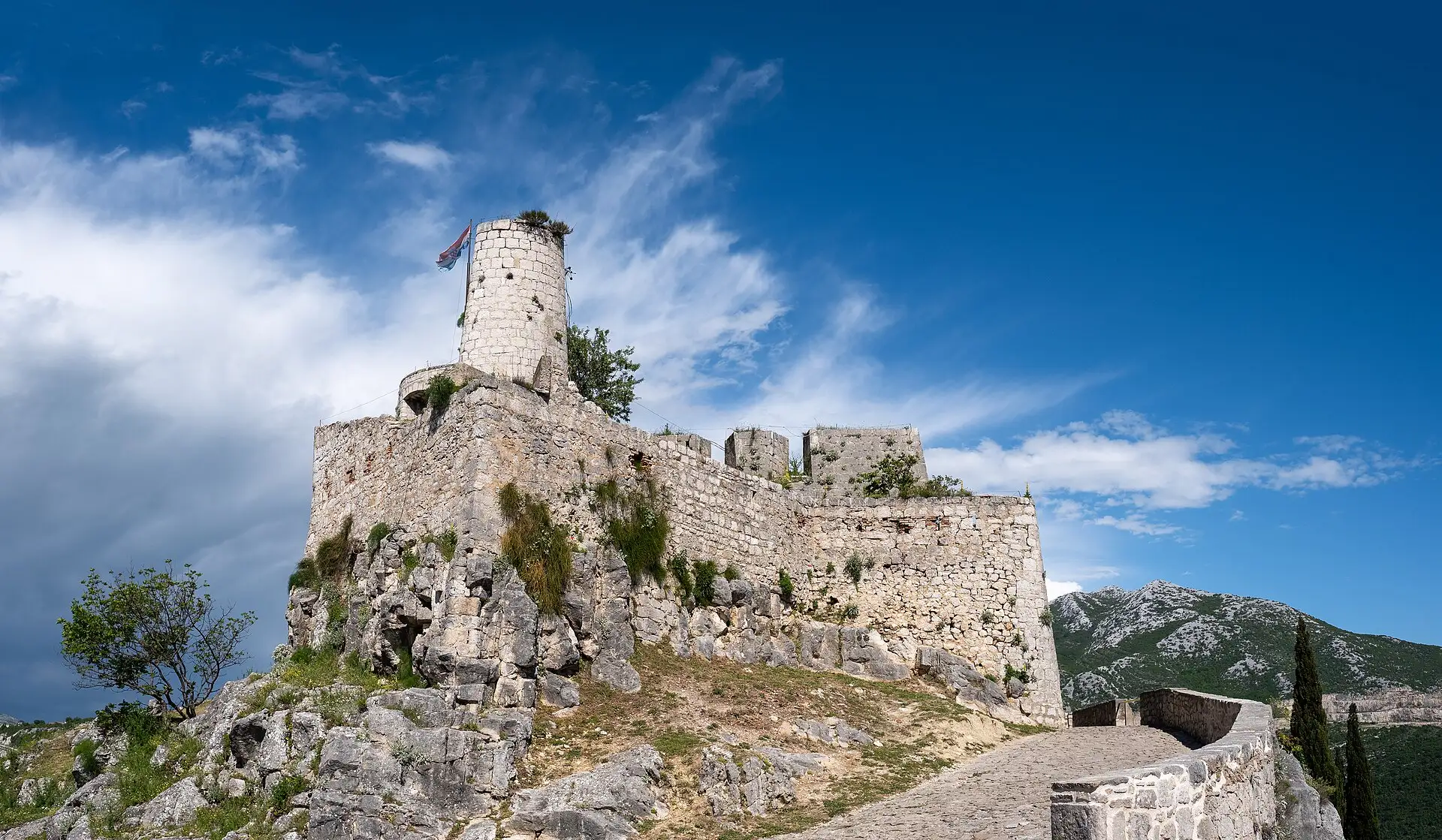
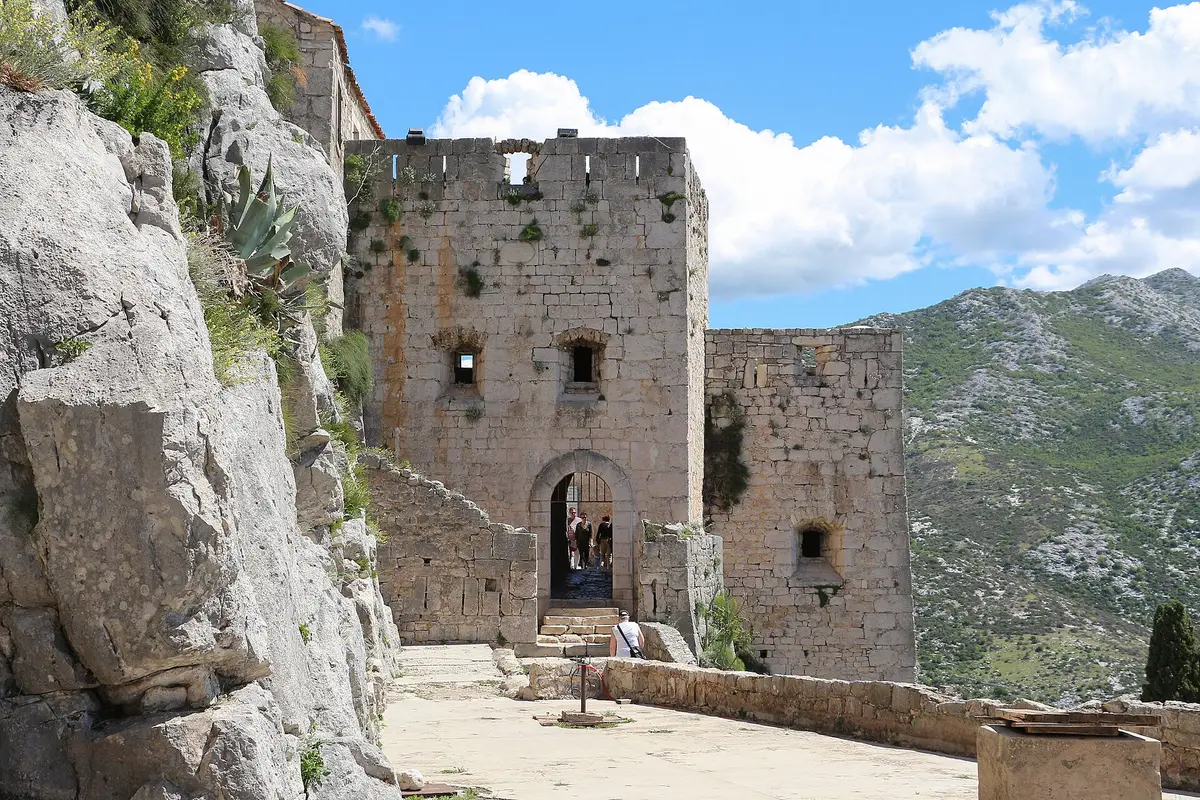
The Illyrian Delmatae fortified this crag long before Rome. Over the centuries Klis was a seat of Croatian rulers — the oldest preserved Croatian royal charter was issued at Duke Trpimir’s court here in 852 — the key to Split’s defence and the stage for countless sieges. For whoever holds Klis holds the road to the Adriatic.
For a quarter of a century Captain Petar Kružić and his small garrison withstood siege after siege. When he fell defending the fortress in March 1537, Klis passed to the Ottomans — but its defenders did not surrender: the Uskoks withdrew to Senj and became the legendary Senj Uskoks, swift and fearless, defying both Ottoman and Venetian power for decades.
In 1596 the people of Klis, led by the Split nobleman Ivan Alberti, briefly liberated the fortress in a famous uprising; in 1648 a Venetian army finally won Klis back. The spirit of the Uskoks — those who choose freedom over safety — remains carved into this fortress’s stone.
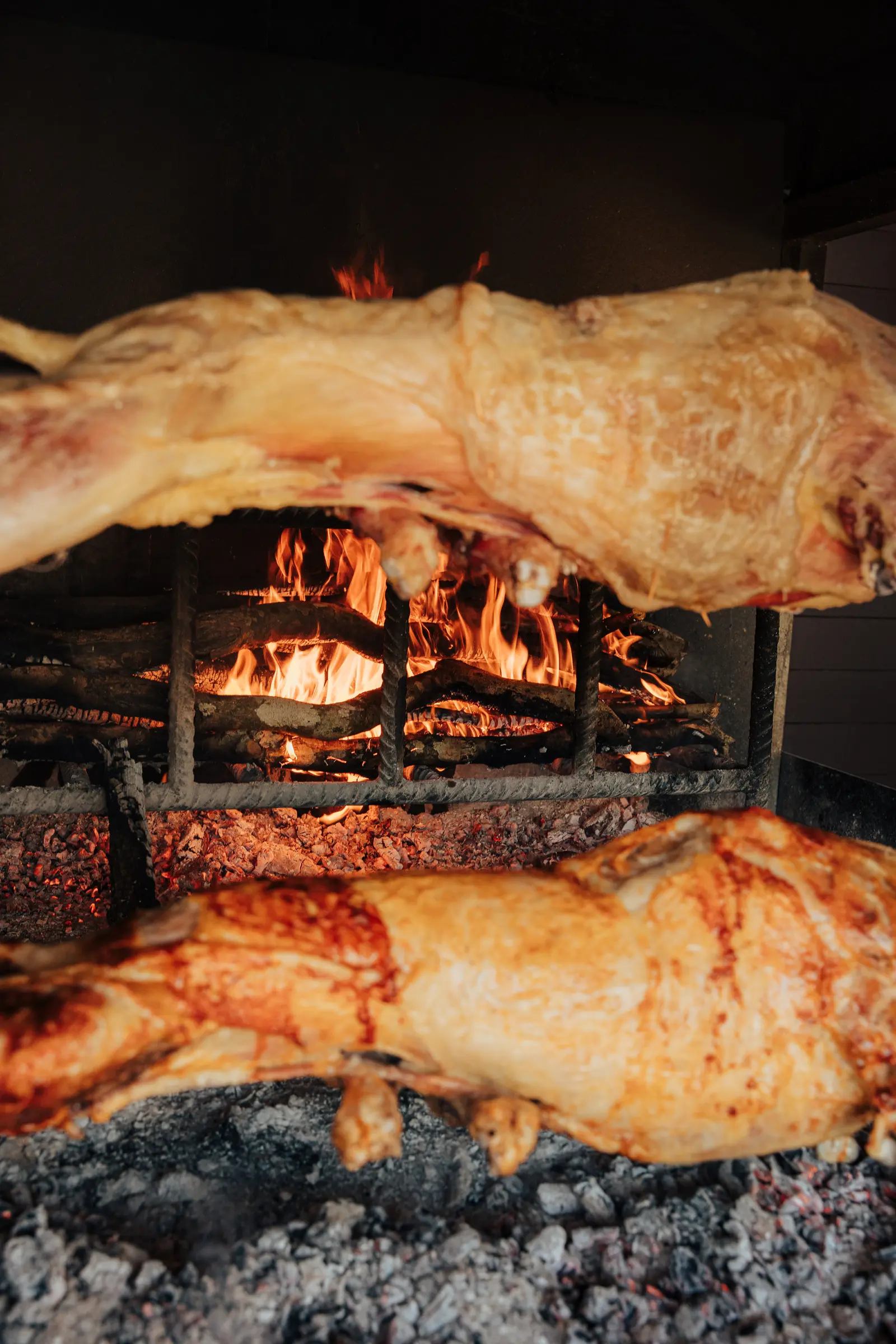
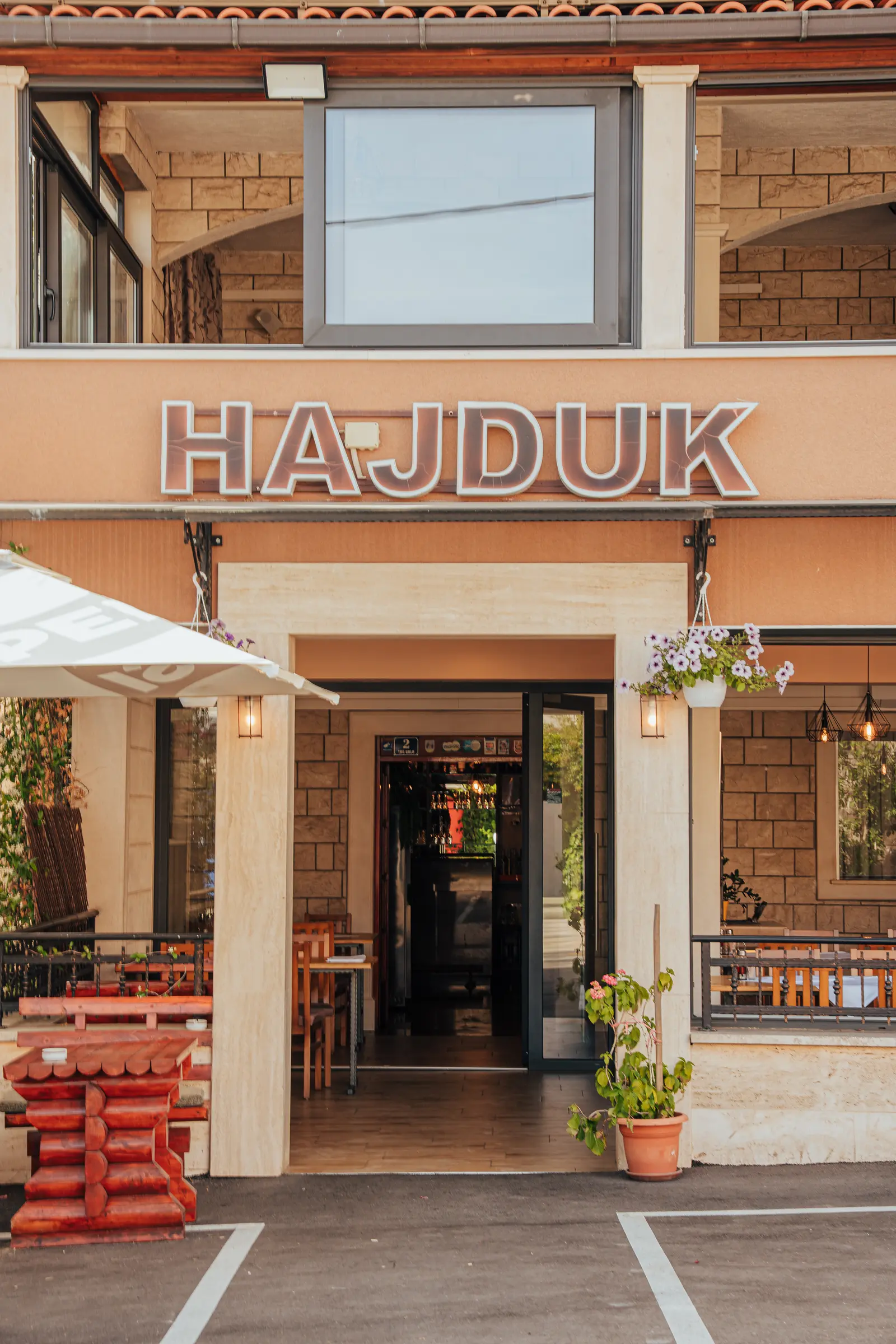
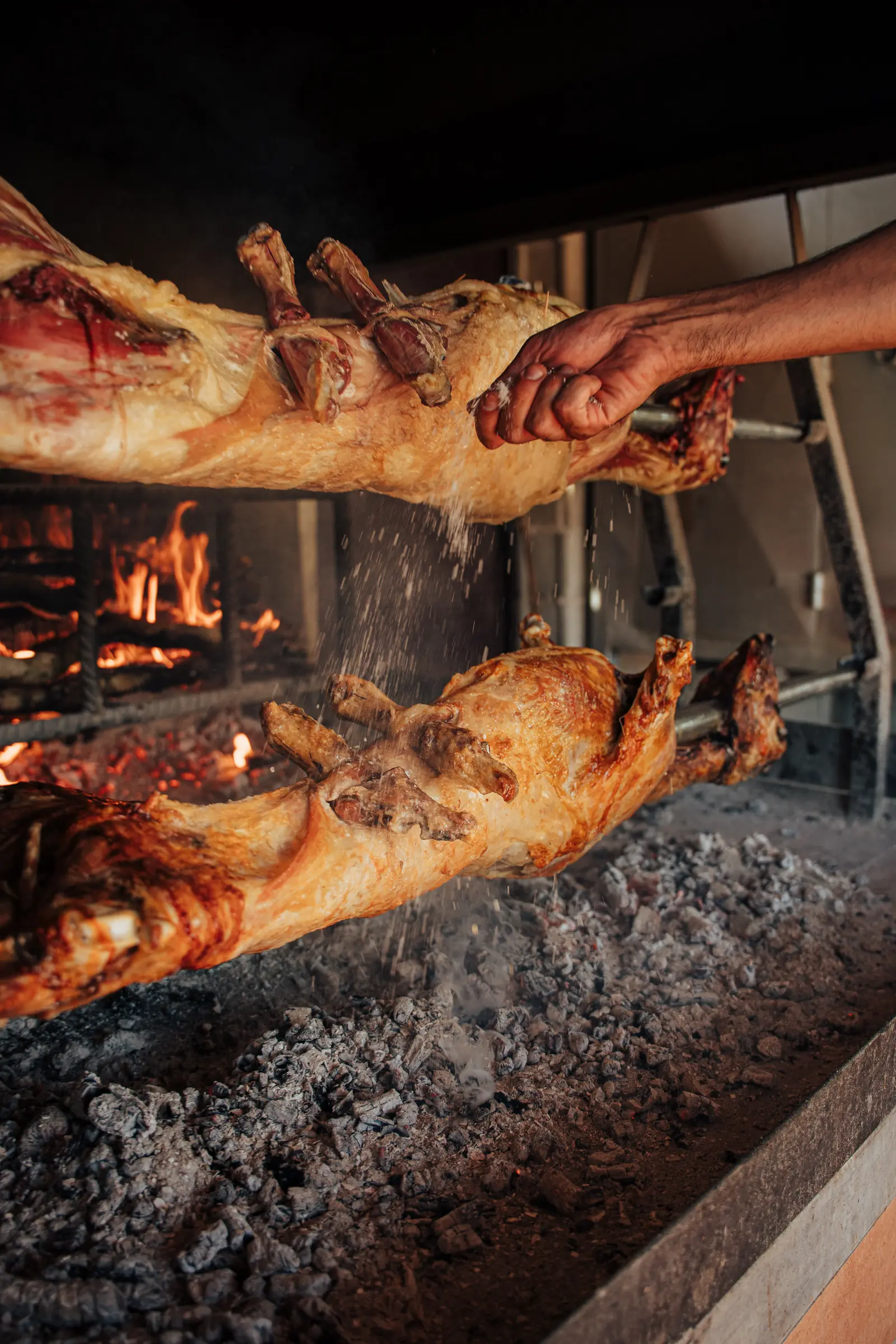
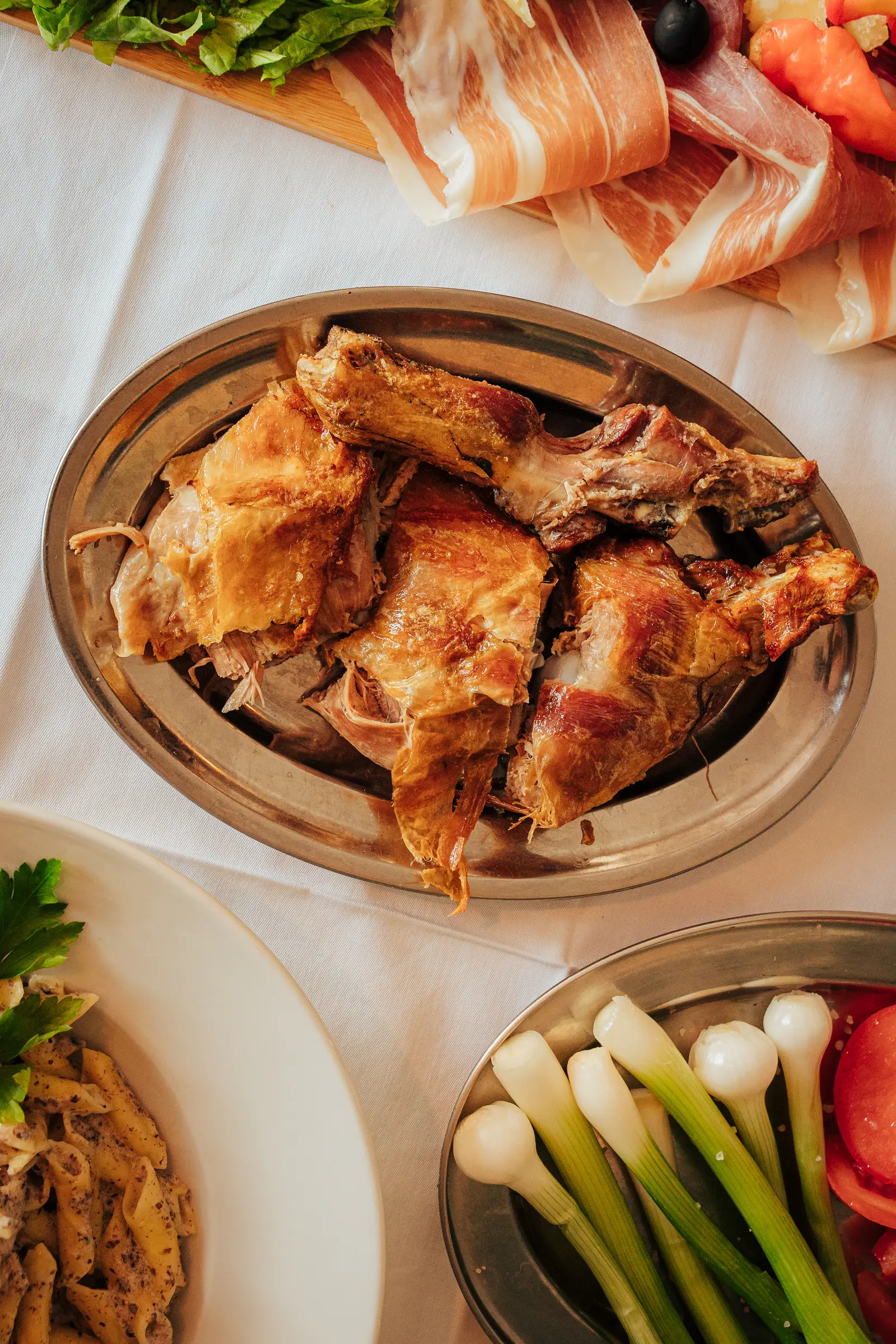
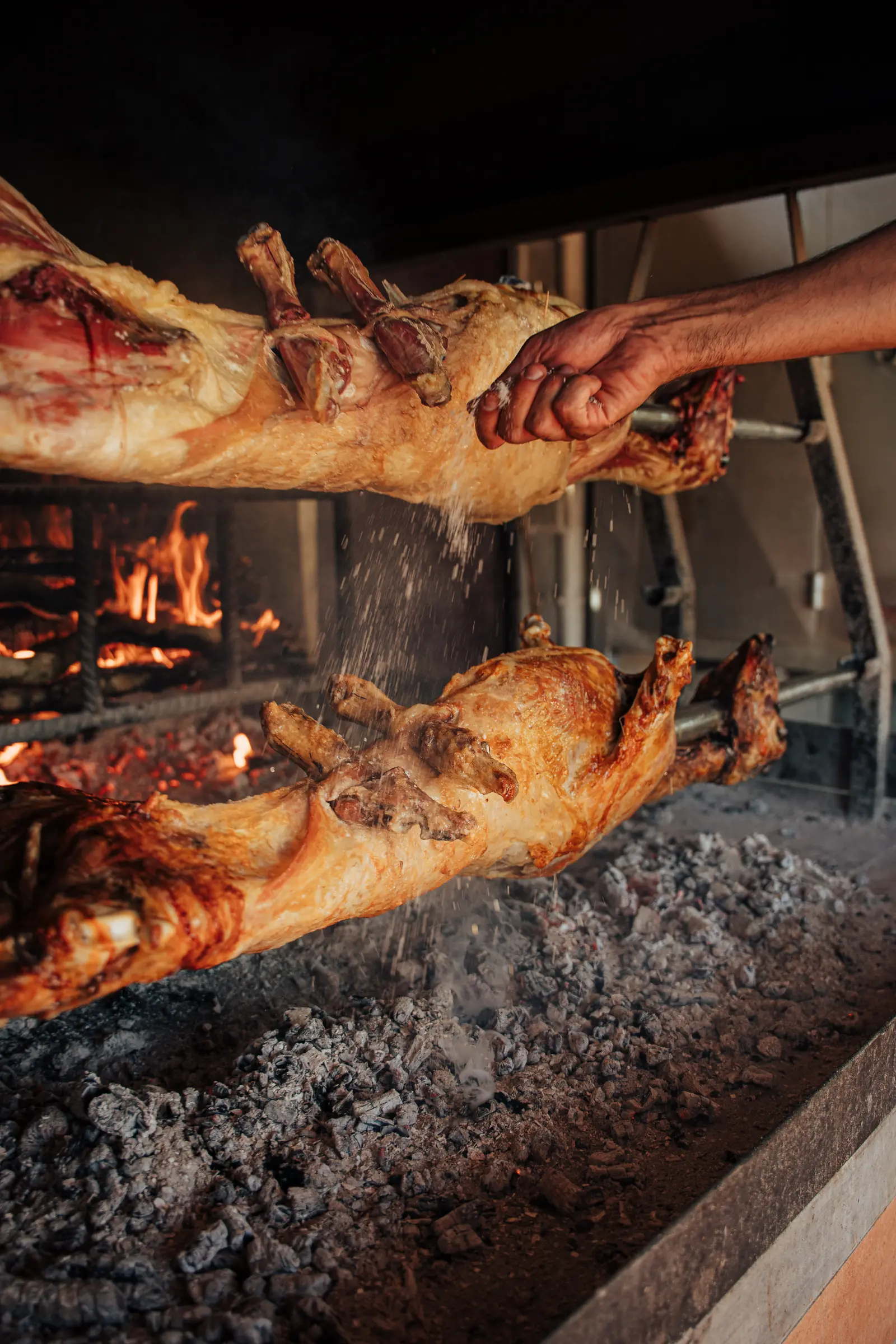
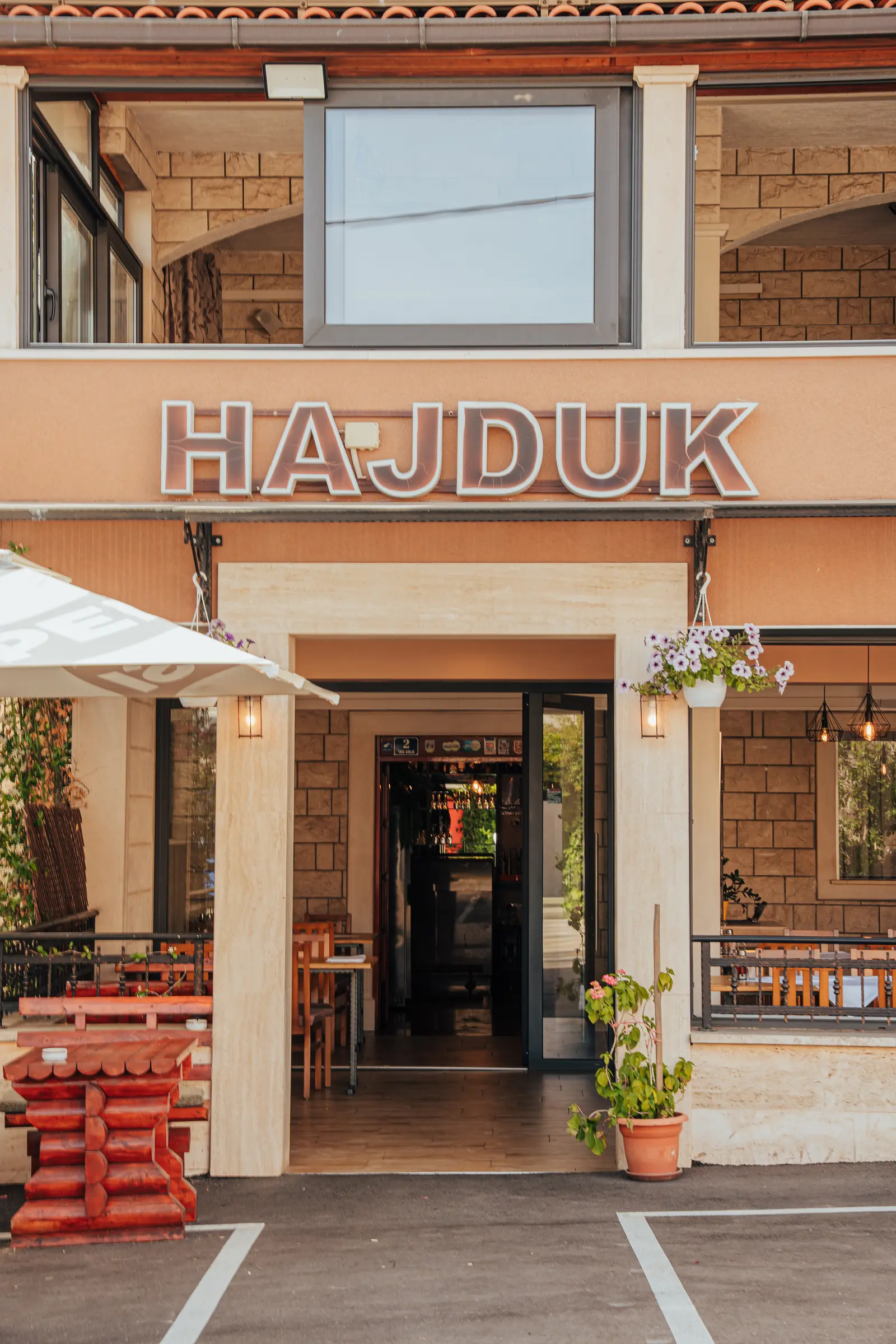
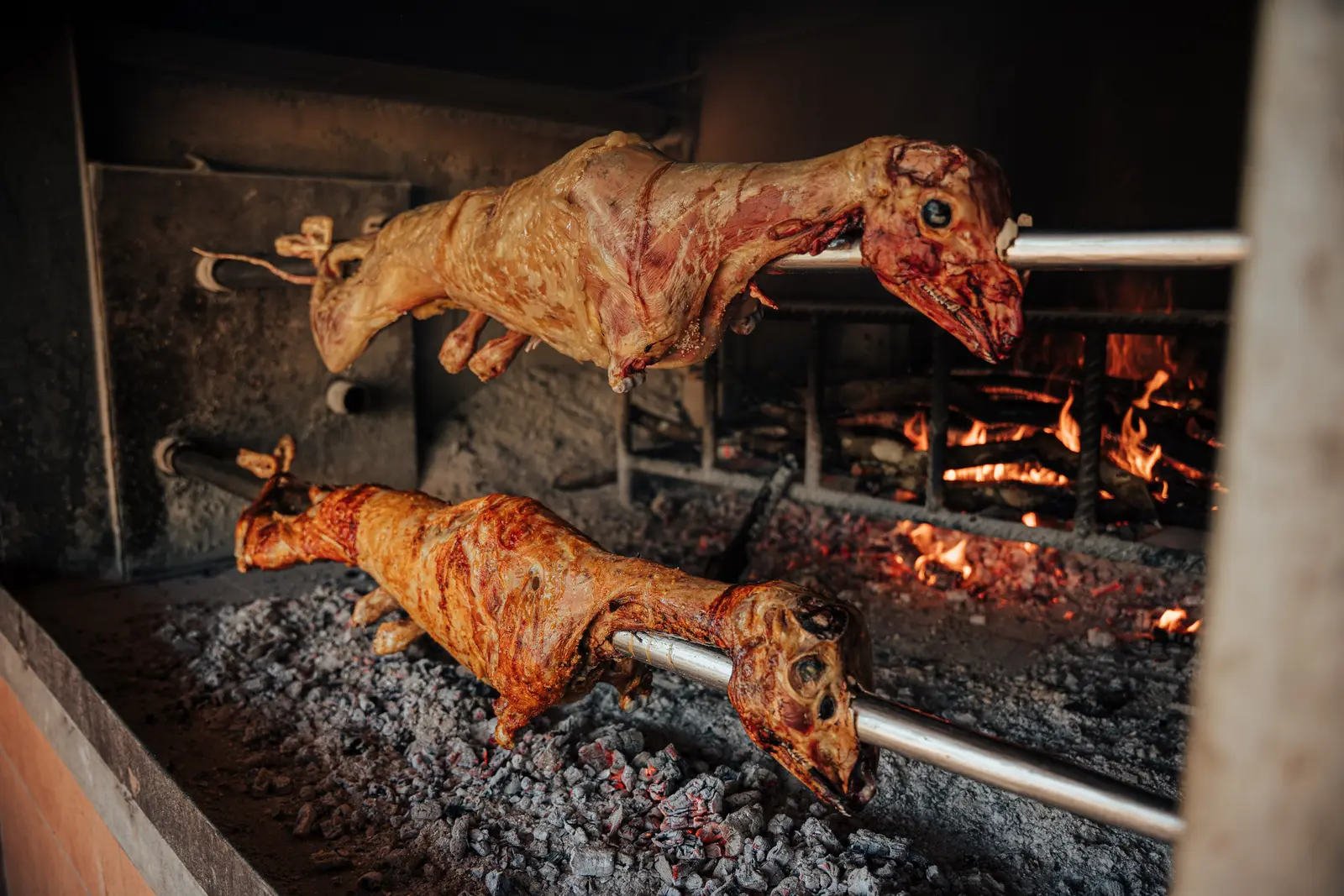
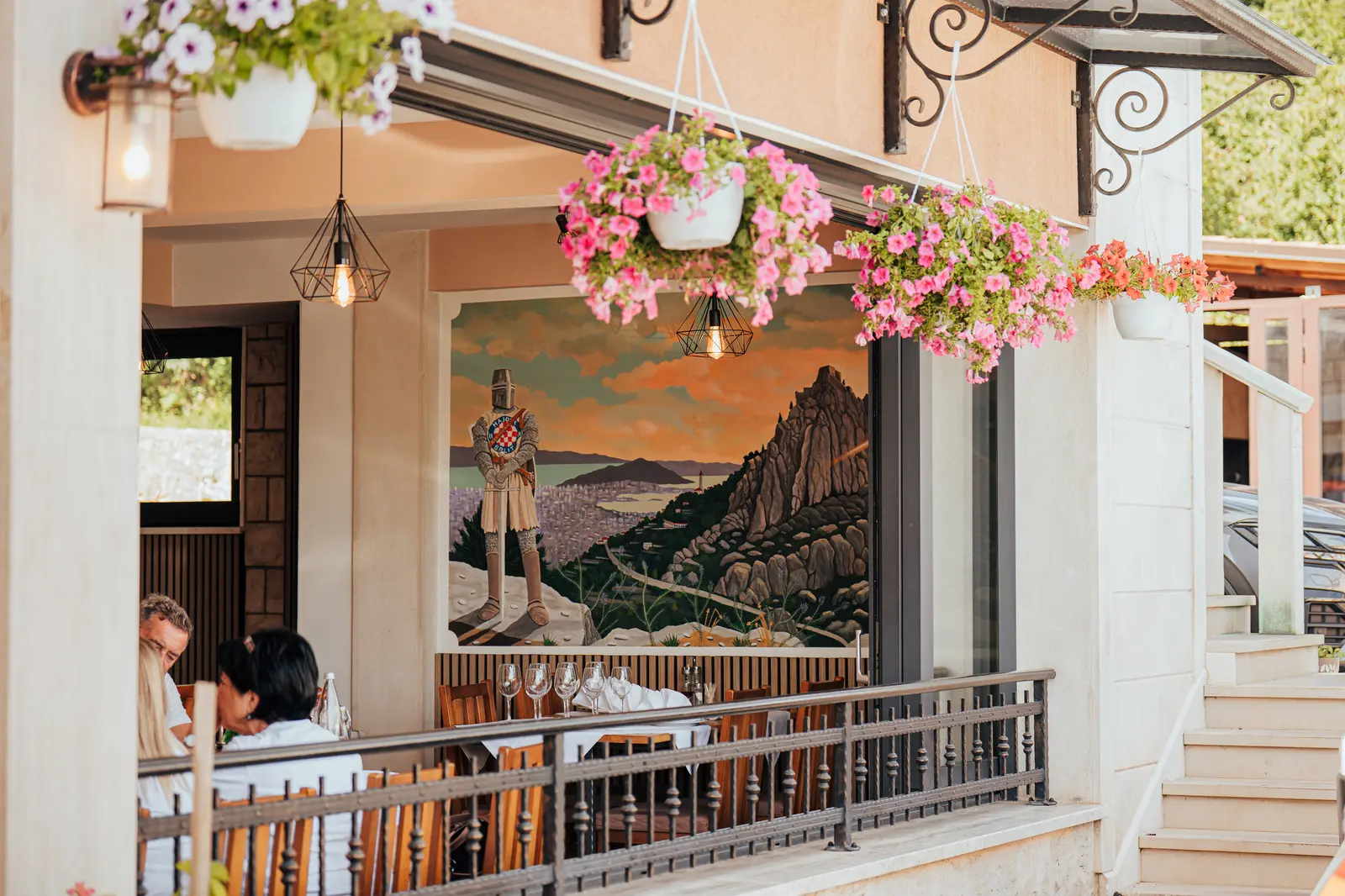
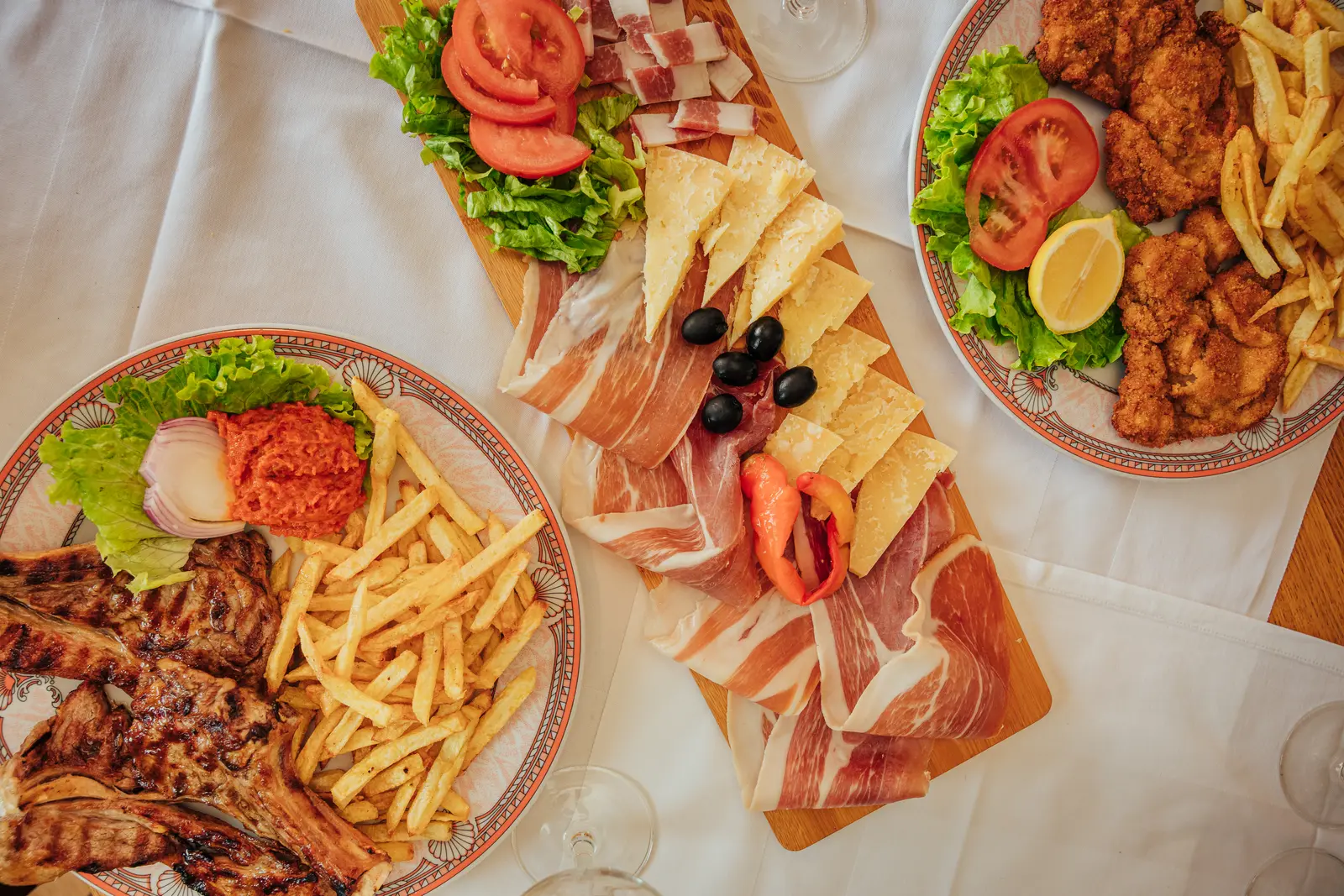
The name “Hajduk” carries that very spirit — of the hajduks and Uskoks who defied empires from the crags of Klis. At our table, that story lives on, over lamb from the spit and a glass of house wine.
2nd c. BCIllyrians & RomeThe Delmatae fortify the crag; later a Roman stronghold over the valley.
852Duke TrpimirThe oldest preserved Croatian royal charter is issued at Trpimir’s court in Klis.
1513–1537Petar KružićThe captain of Klis repels sieges for 25 years; after his death the fortress falls.
1596Uprising of KlisIvan Alberti and men of Split briefly liberate the fortress.
1648Venetian returnA Venetian army retakes Klis; the Uskok legend lives on in Senj.
2014Meereen (Game of Thrones)Klis becomes a screen fortress — the slaver city of Meereen.